Custom solutions for demanding applications


Custom solutions for demanding applications
Our Address
Tridelta Siperm GmbH
Ostkirchstr. 177
44287 Dortmund, Germany
Gassing and degassing processes are an integral part of numerous industrial applications. They are used to introduce gases into liquids or bulk materials in a targeted manner or to remove dissolved or trapped gases from media in a controlled manner. Typical objectives are the setting of defined process conditions, the stabilization of processes and the protection of downstream components.
In practice, these processes pose special technical requirements. Gas supply or gas removal must be uniform in order to avoid local concentration differences, unstable flows or undesirable gas accumulations. At the same time, the use of gassing or degassing elements must not have an uncontrolled influence on the existing process.
Porous sintered materials have proven themselves for these tasks, as they introduce or remove gases via a defined, structured surface. They enable gas to be distributed over a large area or discharged without moving components and without point flow outlets.
The technical objectives of gassing and degassing processes can be divided into several core requirements:
Uniform gas distribution and discharge
Reproducible mass transfer conditions
Avoidance of local flow peaks or gas bubble formation
Process stability with changing operating conditions
In industrial applications, gassing and degassing elements must also be permanently resistant to the medium, temperature and chemical stress. At the same time, the integration of these components must not unnecessarily complicate the existing process.
Porous sintered materials offer a robust, low-maintenance solution for this, as they combine gas flow, distribution and diffusion in one component.
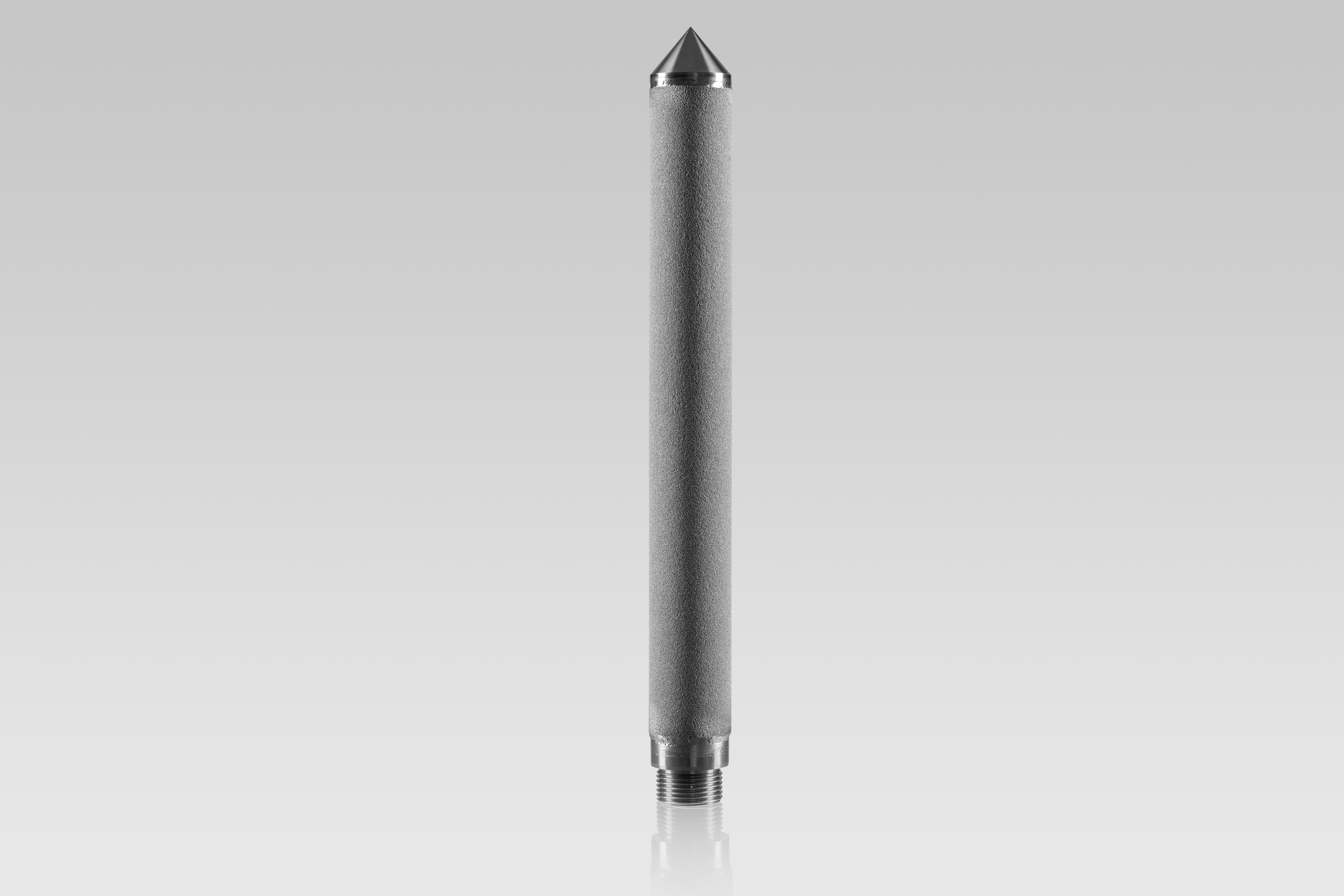
Porous sintered materials are used in gassing and degassing applications as a functional interface between the gas phase and the medium. Their internal pore structure ensures that gas flows are evenly distributed or discharged. This allows reproducible process conditions to be achieved, even under changing operating conditions.
SIPERM® sintered materials are manufactured by Tridelta Siperm in different material variants and porosity classes. They are used as components or integrated elements in gassing and degassing systems where controlled gas flow is required. The function of SIPERM® components is deliberately limited to structured gas distribution or gas removal; active process control does not take place in the component itself.
Thanks to this clear functional separation, SIPERM® elements can be integrated into existing systems without changing their basic process logic.
Gassing and degassing elements made of porous sintered materials act as a defined interface for gas exchange. They allow gases to be introduced into or removed from a medium in a controlled manner without creating localized flow leaks or local gas accumulations. The technical approach is not based on active components, but on the targeted use of the porous structure of the material.
Porous sintered materials have a network of interconnected pore channels. This structure distributes the gas flow over a large number of small outlet or extraction areas. This creates a uniform gas flow over the entire active surface of the component.
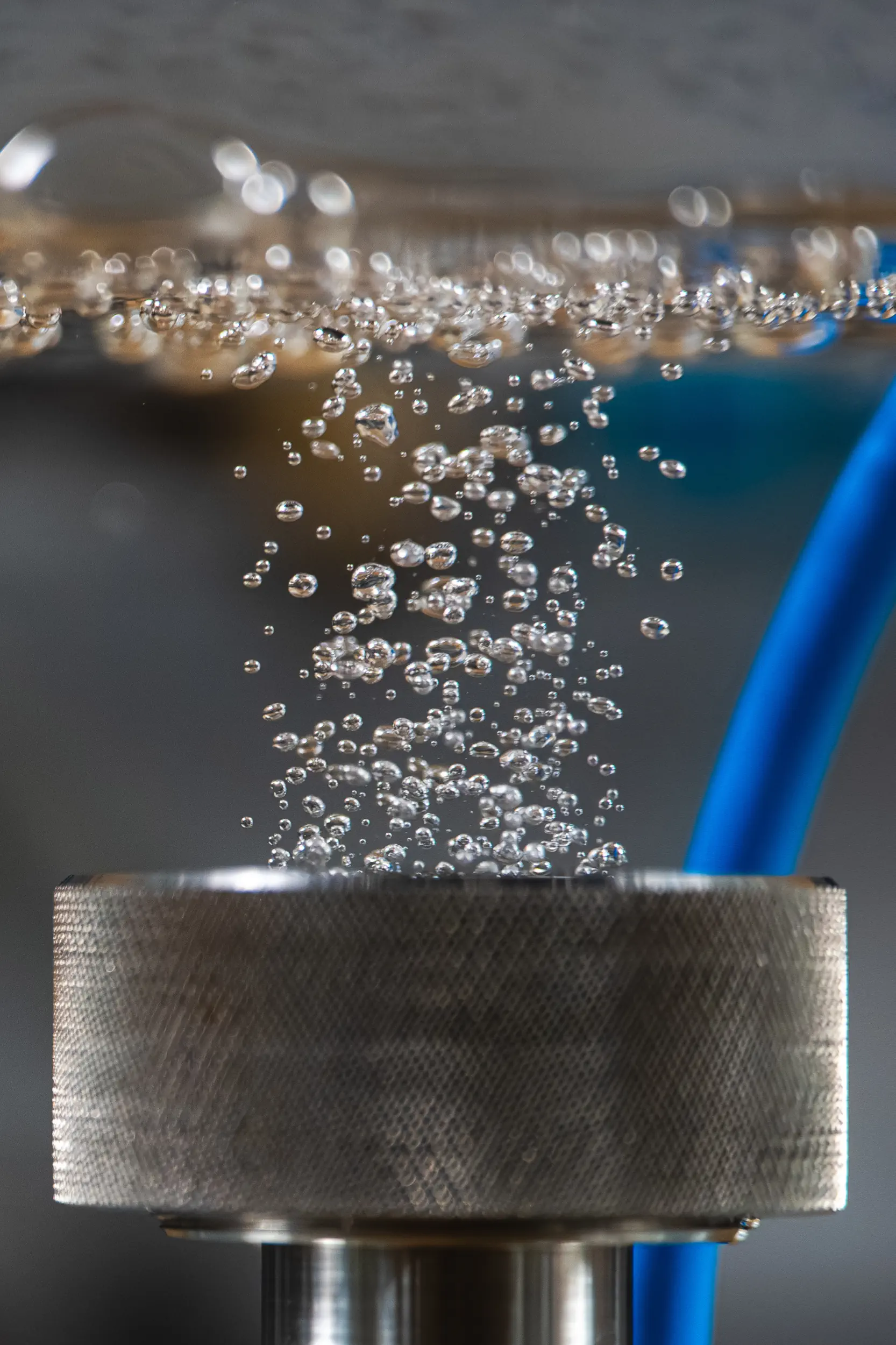
During gas flushing, gas is fed through the porous body into the surrounding medium. Instead of individual gas nozzles or open outlets, the gas is discharged via many small pores. This leads to an even distribution of gas over a large area.
The even gas output:
Avoids local flow peaks
Reduces the formation of large, uncontrolled gas bubbles
Supports reproducible fumigation conditions
SIPERM® components are used in this context as gas flushing elements when uniform gas distribution over defined areas is required. The porosity is adapted to the respective application.
During degassing, the process is reversed. Gases are removed from the medium via the porous sintered material. The porous structure acts as an evenly distributed degassing surface through which gas can escape in a controlled manner.
Local degassing zones and strong flow disturbances can be avoided thanks to the flat gas discharge. This is particularly relevant in processes where stable flow conditions are required.
The porosity of the sintering material determines the gas permeability and the required differential pressure across the component. Wall thickness and geometry also influence the distribution of the gas flow. By combining these parameters, gassing and degassing elements made of porous sintered materials can be specifically adapted to different requirements.
SIPERM® sintering materials are available in various material variants and porosity classes for this purpose. The components take on a clearly defined function within the process and do not actively intervene in the control.

Gassing and degassing elements made of porous sintered materials are used in industrial applications where gases need to be supplied or removed in a controlled manner. They are used wherever a uniform gas flow is required and selective gas supply or discharge would lead to unstable process conditions, flow disturbances or undesirable gas accumulations.
Porous sintered materials take on a clearly defined, passive function in these applications. They serve as a structured interface for gas flow and allow gases to be distributed over a wide area or removed. SIPERM® components are used in this context as functional components whose porosity, geometry and material are adapted to the respective application.
In gas flushing, porous sintered materials are used to introduce gases evenly into systems. Instead of individual gas nozzles or open outlets, the gas is supplied via a large number of fine pores. This distributes the gas flow over the entire active surface.
This type of fumigation:
Avoids local gas ingress with high flow velocity
Reduces pronounced flow peaks in the system
Supports reproducible and quiet operating conditions
SIPERM® gassing elements are used in technical systems where uniform gas distribution is required and the process reacts sensitively to local flow influences. The components are designed to suit the application and integrated into tanks, modules or assemblies in a suitable geometry.
When degassing liquids, porous sintered materials are used as passive, evenly distributed gas extraction surfaces. They are used for the controlled removal of gases that are already present in the liquid medium or are released as a result of the process. The porous material itself does not cause degassing and does not actively interfere with the process.
The porous structure makes it possible to discharge gas over a large area rather than at specific points. This prevents local gas accumulations or unstable degassing zones. The gas is discharged evenly and supports smooth, stable system operation.
In such applications, SIPERM® sintered materials are designed in such a way that the gas permeability matches the respective installation situation and the gas can be dissipated without impermissible resistance.
With powders and fine-grained bulk solids, trapped gases are produced in the spaces between the particles, for example during filling, compaction or discharge. For a stable process flow, it is necessary to discharge these gases in a controlled manner without powder particles being discharged or whirled up.
Porous sintered materials are used in these applications as gas-permeable but powder-dense separating elements. They enable the removal of trapped gases while the powder is safely retained. Degassing takes place over the entire surface of the porous structure and not via individual vents.
The use of porous SIPERM® sintering materials enables the following to be achieved:
Avoid selective ventilation and dust emissions
Realize uniform pressure conditions in the system
Support stable discharge and compaction processes
The components assume a purely passive function and are designed according to the application in terms of porosity and geometry.
Porous sintered materials are used in technical equipment, assemblies or modules for both gassing and degassing tasks. They are often integrated as molded parts or inserts, adapted to the design constraints of the respective system.
By using porous SIPERM® sintered materials, gas flow functions can be integrated into existing equipment without the need for additional moving components or complex installations. The function of the components remains limited to the structured gas flow and complements the higher-level process control.
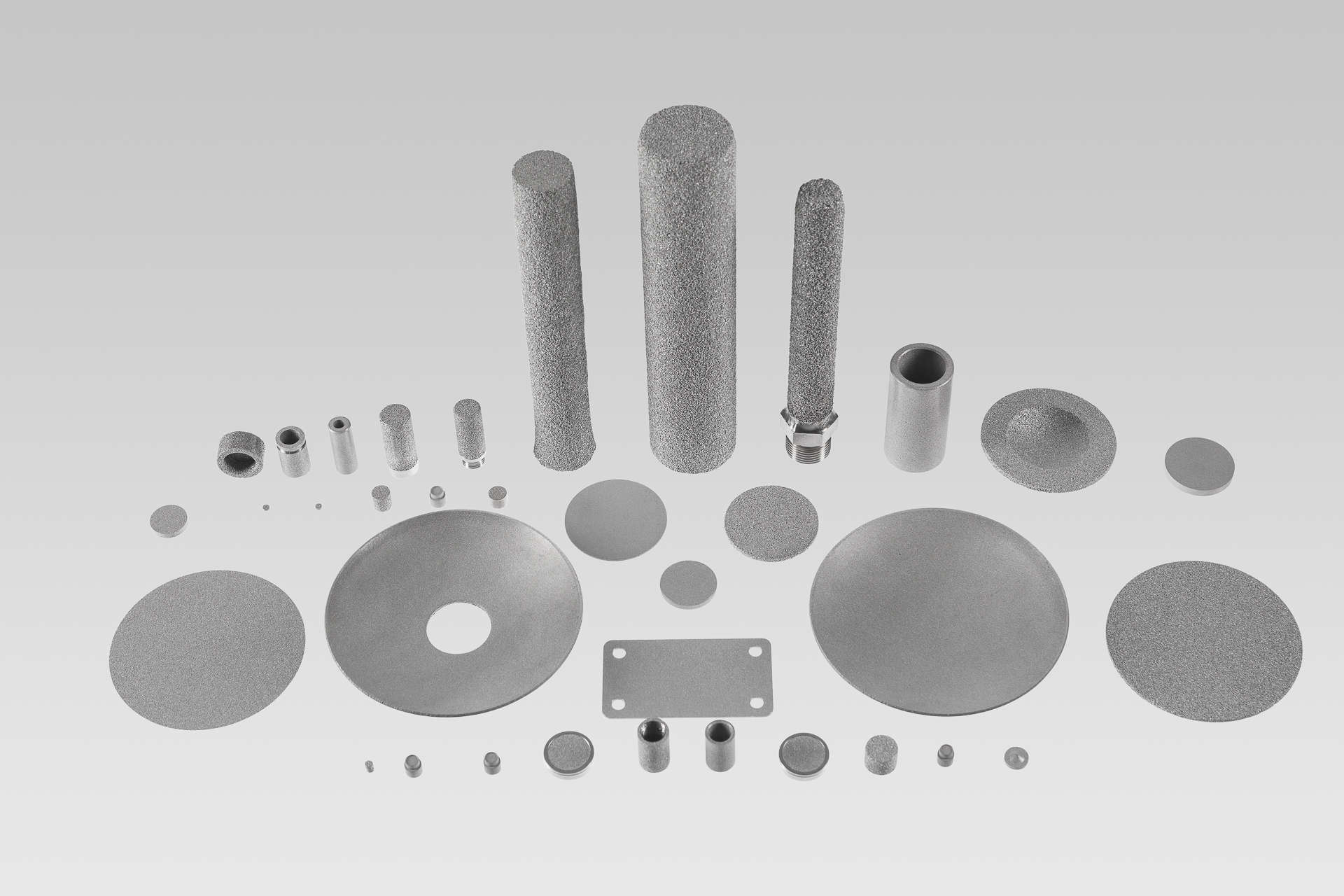
Gassing and degassing elements made of porous sintered materials are designed in different geometries in order to adapt them to the installation situation and gas flow task. The design influences the available flow cross-section, the uniformity of the gas flow and the integration options in existing systems.
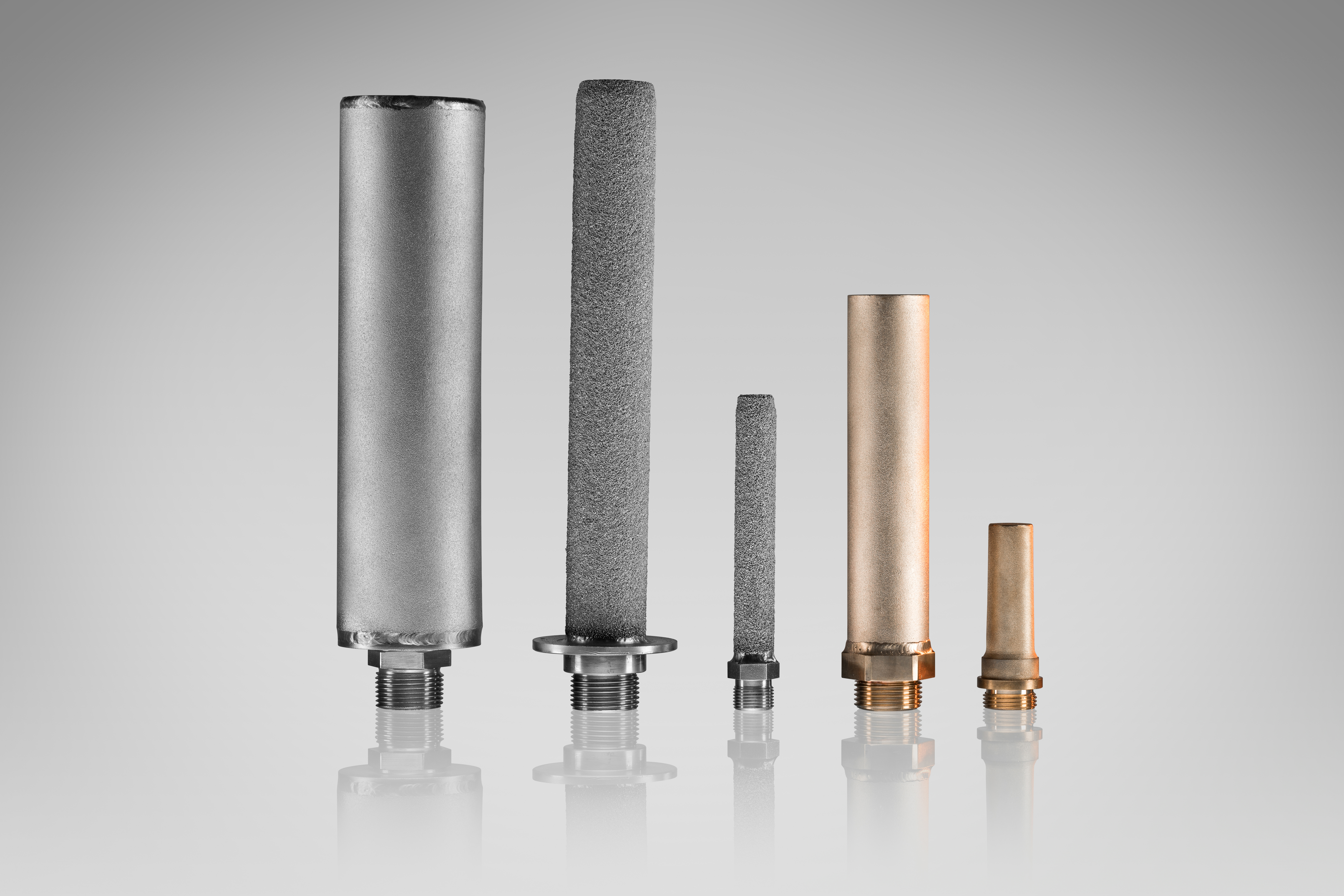
Porous SIPERM® materials are used as plates, sleeves, tubes or customized moulded parts. Flat geometries are suitable for uniform gas distribution or discharge over larger areas, while cylindrical designs allow gas to be distributed along defined lines or circumferential surfaces.
They are often integrated directly into assemblies, appliances or modules. The porous components take on a clearly defined function within the overall system without requiring additional moving components or complex mechanisms.
The choice of material depends on the medium, temperature, chemical load and mechanical requirements. The material and porosity together determine the gas permeability, service life and application limits.
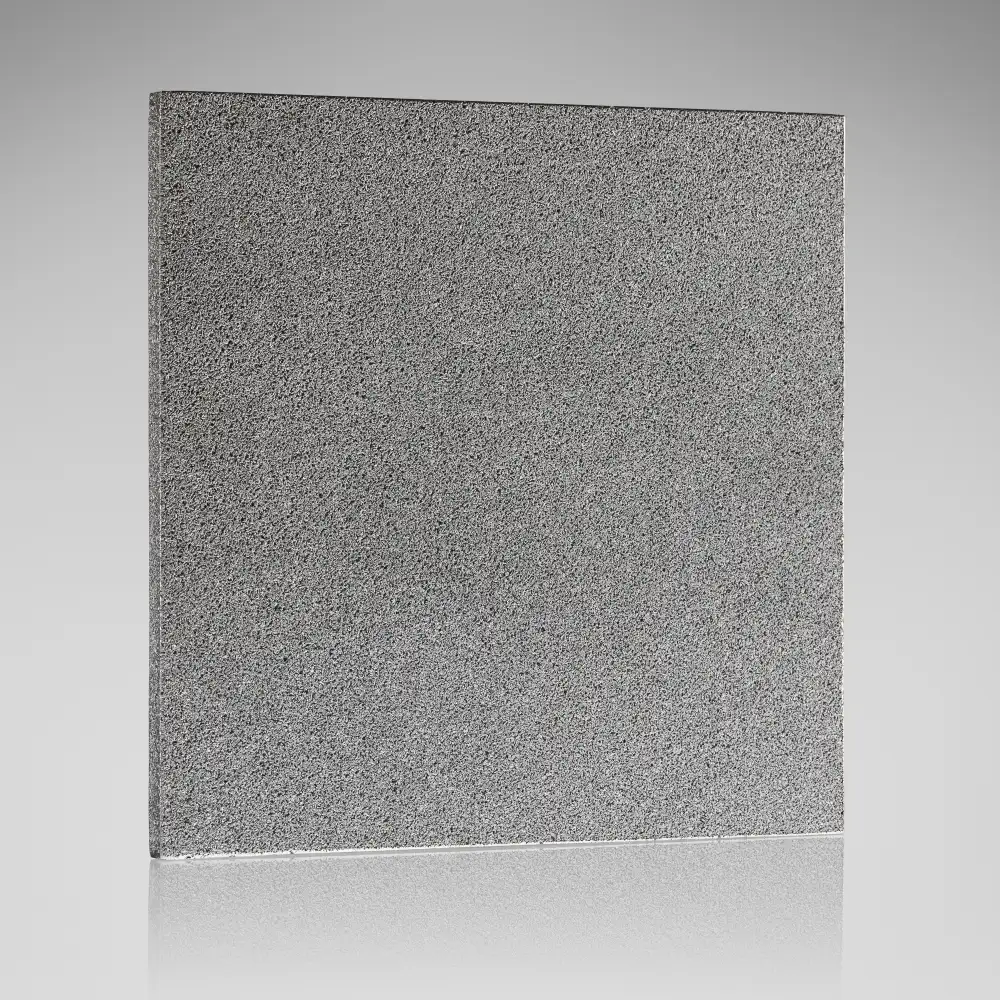
SIPERM® R (porous stainless steel) is used for high temperatures, changing loads and demanding environmental conditions
SIPERM® B (porous bronze) is suitable for applications with moderate temperatures and oily gases
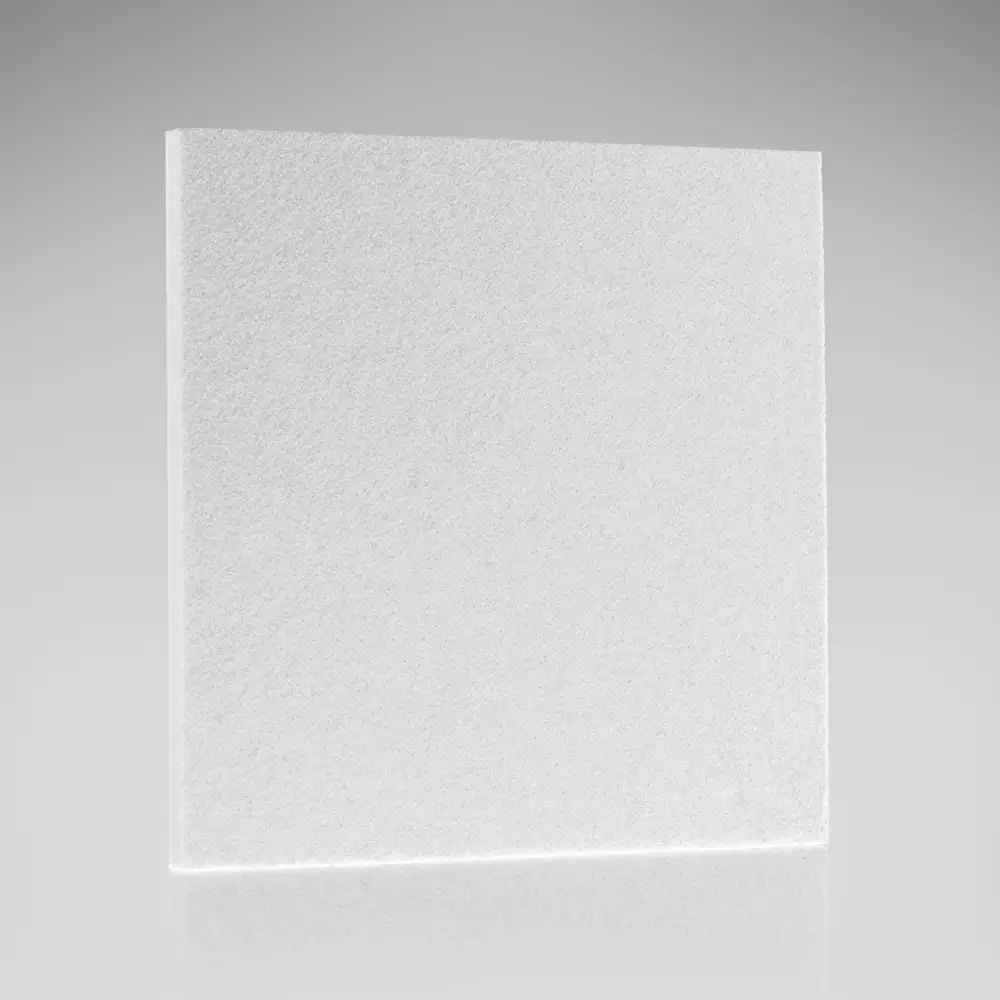
SIPERM® HP (porous polyethylene) is used for chemically demanding media, low weight and complex geometries
The selection is always application-related and in conjunction with the geometry and installation situation.
Gassing and degassing elements made of porous sintered materials are passive functional elements with no moving parts. This results in stable operation and low maintenance requirements. However, the function is influenced by the medium, degree of contamination and operating conditions.
In applications with dust, powders or oily media, deposits can reduce gas permeability. Depending on the material and installation situation, cleaning measures are possible to restore the original function.
When properly designed and used, SIPERM® components achieve a long service life. Replacement is usually only necessary if the gas flow is permanently restricted or the process conditions change.
The design of gassing and degassing elements is based on the application. The gas volume flow, permissible differential pressure, medium, temperature and design conditions are decisive.
Porous SIPERM® sintered materials enable the targeted adaptation of porosity and geometry. In addition to standard shapes, customer-specific solutions are realized if there are special installation situations or functional requirements.
The aim is always to achieve a consistent, reproducible gas flow that can be integrated into existing systems without changing the process logic.

Gassing and degassing elements made of porous sintered materials have a clearly defined, passive function in industrial applications. They are used for the structured supply or removal of gases via an evenly distributed porous surface. This prevents localized flow effects, local gas accumulations and unstable operating conditions.
The use of porous sintered materials enables reproducible gas flow without the use of moving components or active control mechanisms. The function of the components is deliberately limited to gas distribution or gas removal and does not interfere with the higher-level process control.
SIPERM® sintering materials are available for these applications in different material variants, porosity classes and geometries. They are designed to suit the application and integrated into existing systems, assemblies or apparatus. The choice of material, porosity and component geometry is made in conjunction with the respective operating conditions.
Typical fields of application include the gassing of technical processes, the controlled degassing of liquids as a passive gas discharge and the degassing of powders and bulk materials, where gases are discharged and particles are reliably retained. In all cases, the focus is on uniform, stable gas flow and a robust, low-maintenance design.
We are happy to advise you – simply contact us by phone, via email or by using our contact form.
Tridelta Siperm GmbH
Ostkirchstr. 177
44287 Dortmund, Germany





 Menu
Menu