

SIPERM®
Porous sintered materials
Our Address
Tridelta Siperm GmbH
Ostkirchstr. 177
44287 Dortmund, Germany
Contact us for a personal consultation
Tridelta Siperm
We are your contact for application-specific solutions made of porous sintered materials.
We combine decades of experience in materials technology with practice-oriented development work and technical advice.
Our goal is the economical and efficient implementation of individual requirements through tailor-made products and components.
Through partnership-based cooperation and technical expertise, we create solutions that are precisely tailored to the respective application.
Years of experience
72
Share of green electricity
100 %
New articles per year
> 500
Lot sizes
1 - 1.000.000

Filtration
Our materials enable precise surface and depth filtration with consistent filtration performance thanks to their defined pore structure and mechanical stability.

Bulk material handling
Porous sintered materials enable fluidization, uniform discharge, precompaction, and volume reduction of fine-grained bulk materials in silos and conveyor systems.
Gassing / Degassing
Plates and tubes with a defined pore structure enable targeted gasification and degassing through controlled gas permeability in technical applications.

Silencer noise reduction
Porous molded parts dampen sound through their angular pore structure, absorption of sound waves, and conversion of sound energy.
Safety engineering
SIPERM® protects sensors from particles, impacts, flame propagation, and moisture. Hydrophilized components are possible.
Capillary transport / Storage
Porous materials enable directed fluid transport through capillary action – ideal for dosing, separation, and humidification processes.
Functional principle of porous sintered materials
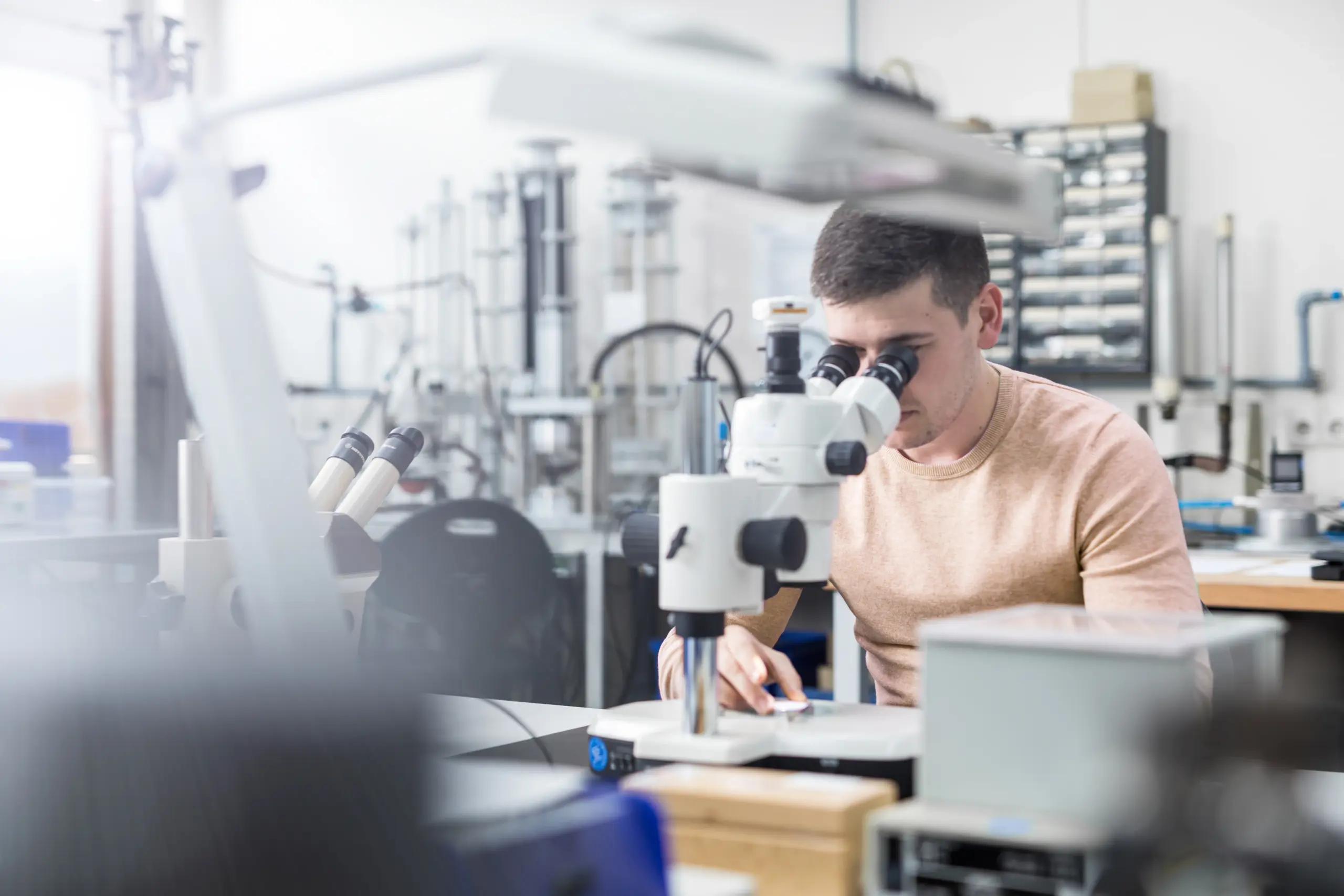
Porous sintered materials do not perform their function through a single material property, but through the interaction of porosity, pore structure and flow behavior. The open-pored structure enables gases or liquids to take defined paths through the material, while particles, sound energy or pressure peaks are specifically influenced. The decisive factor here is not just the nominal pore size, but the overall pore size distribution, pore volume and internal channel structure.
In contrast to drilled or slotted components, the permeability is not created at specific points, but over the entire surface of the component. This allows homogeneous flow profiles to be achieved, which are particularly important in filtration, gassing or fluidization processes. The flow is distributed evenly and local overloads or flow peaks are reduced.
The functional design of porous sintered materials is always application-specific. Depending on the application, the focus is on different target values, such as a defined pressure loss, uniform gas distribution or a reproducible separation effect. This function can be precisely influenced by adjusting the porosity without having to change the geometric shape of the component. This makes porous sintered materials suitable as functional elements in a variety of industrial processes.
Our materials
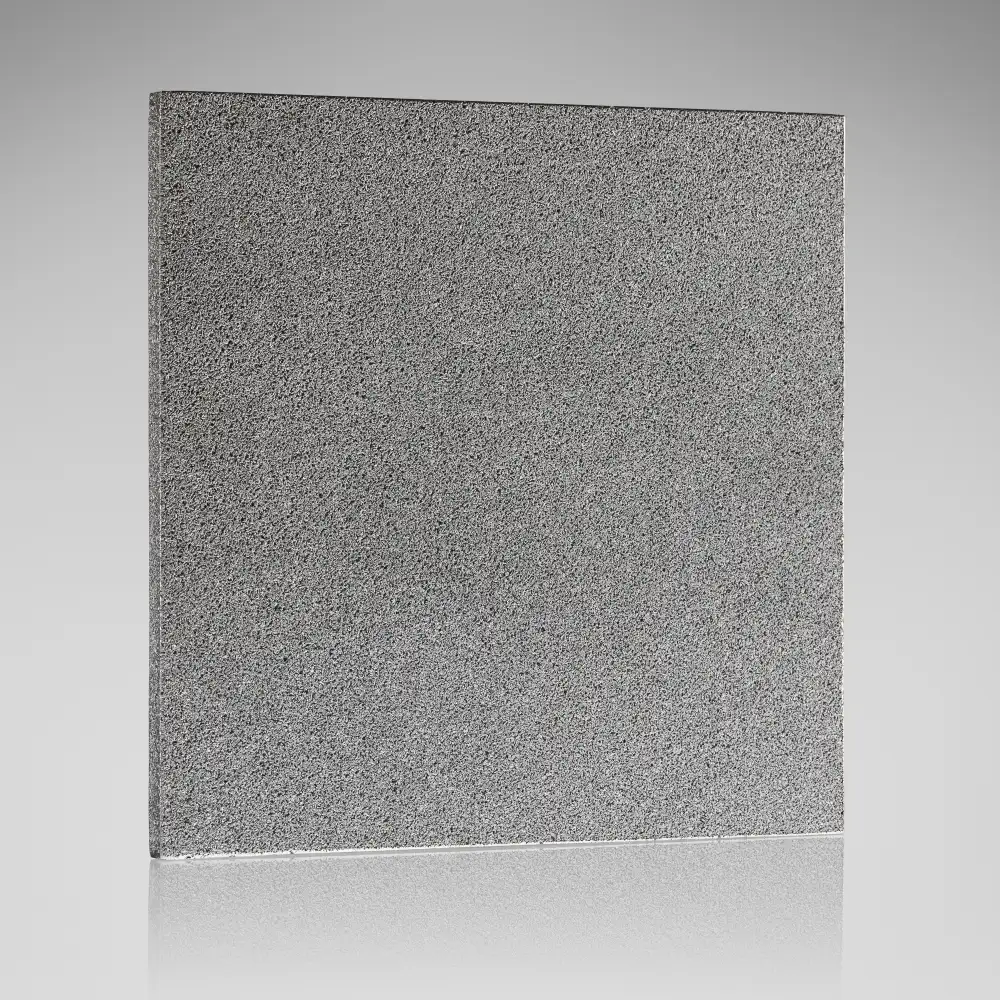
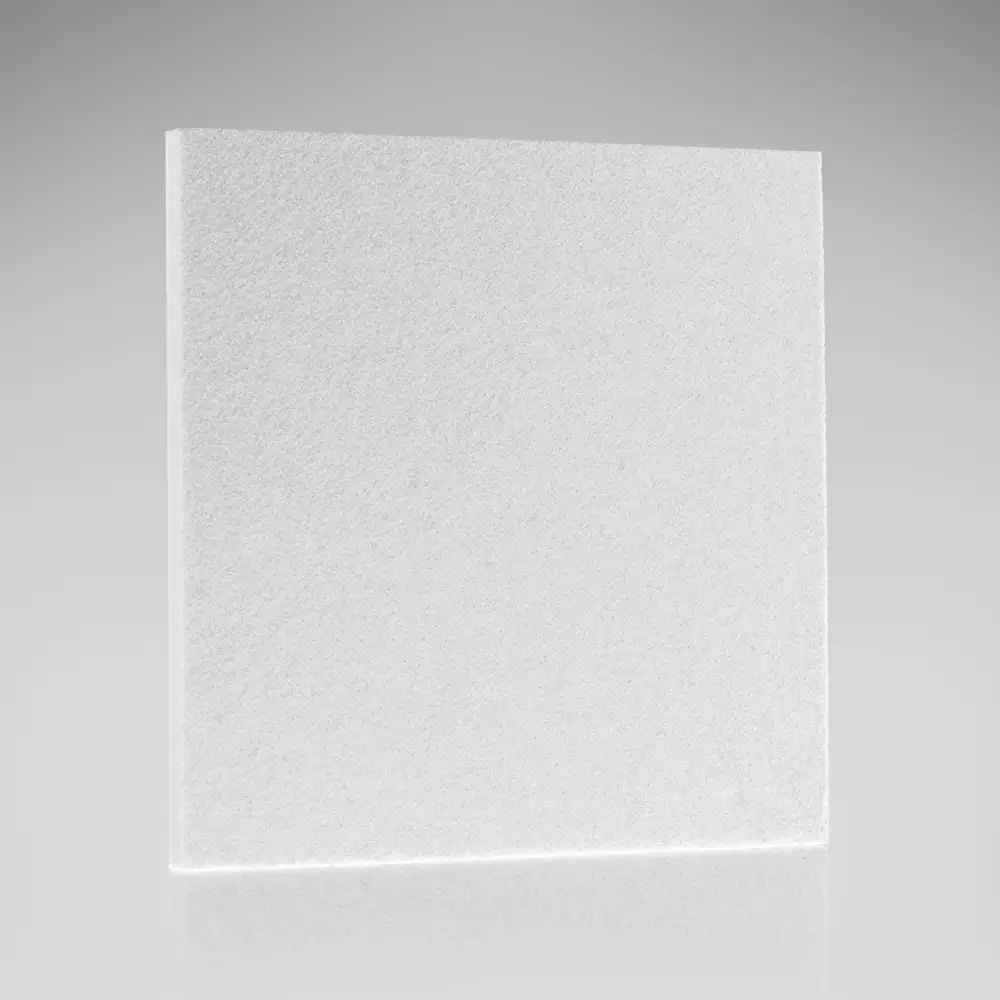
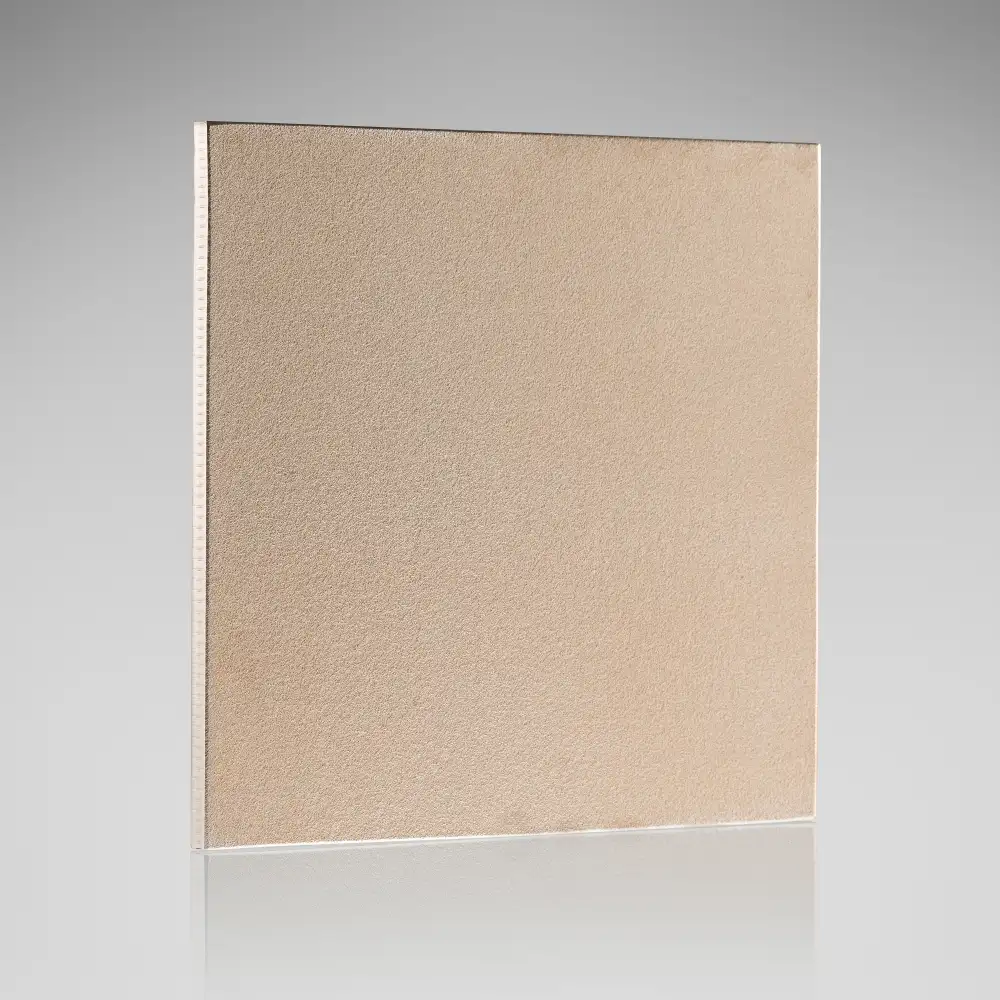
SIPERM® refers to porous sintered materials made of stainless steel, bronze, or polyethylene. They are manufactured with open pores using targeted powder processing and sintering technology. The materials offer customizable pore sizes, high mechanical strength, chemical resistance, and are available in various designs.
Tridelta Siperm
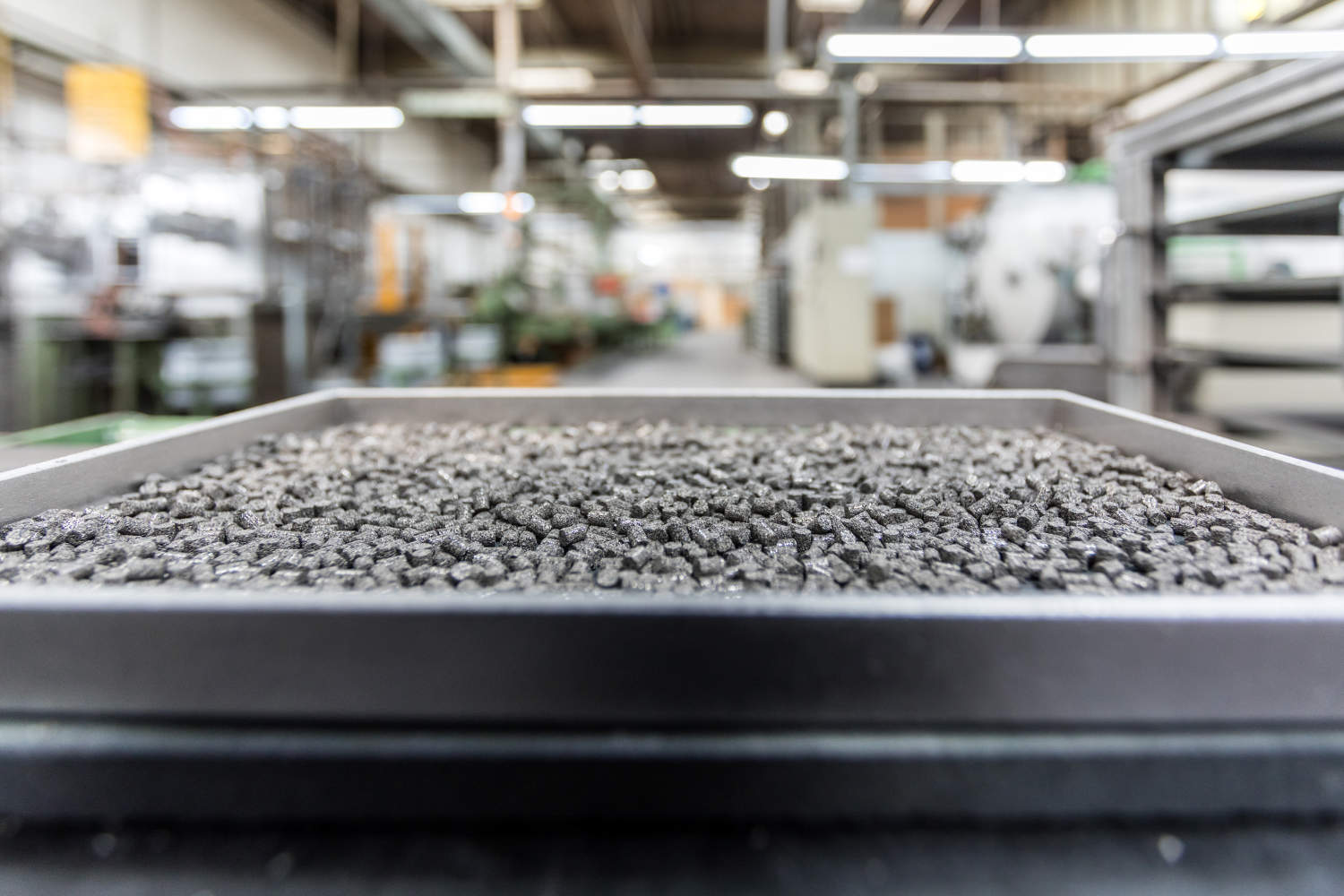
specializes in the development, production and application of porous sintered materials for industrial and technical processes. At our Dortmund site, we manufacture porous sintered materials from SIPERM® R (stainless steel), SIPERM® B (bronze) and SIPERM® HP (polyethylene). The materials are processed by controlled sintering into components with precisely adjustable porosity, defined permeability and high resistance. They fulfil key functions in filtration, gas flushing, fluidization, mechanical noise damping and sensor protection – even under demanding operating conditions.
Materials technology
Production of porous sheets, pipes, molded parts and special constructions
Material variants with defined pore structure and adjusted permeability
Application-oriented system solutions
Used in filtration, degassing, fluidization, sound insulation, sensor protection and much more.
Individual adaptation to media, pressure and temperature requirements
Customized development
Support with the design and selection of suitable materials
Implementation of customized geometries and assemblies according to customer specifications
Quality-assured production
Production according to DIN EN ISO 9001:2015
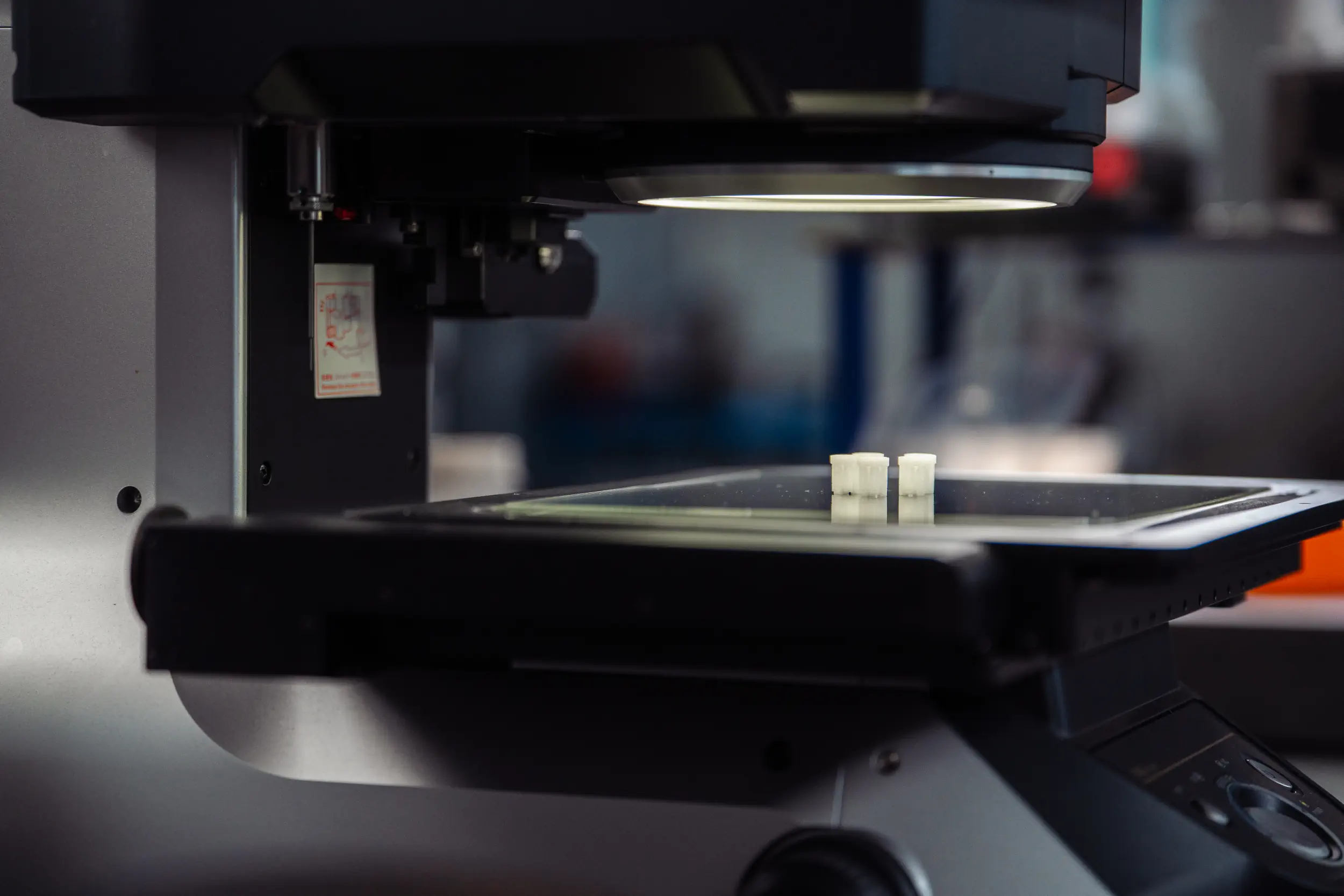
Testing according to DIN ISO 4022, DIN ISO 4003, ASTM F316-03, among others
Porous sintered materials – technical basics
Variety of materials for different requirements
SIPERM® sintered materials are available in various metallic and polymeric material versions to specifically cover different technical requirements. At Tridelta Siperm, porous materials are manufactured from stainless steel, bronze and polyethylene, which differ significantly in their physical and chemical properties. The suitable SIPERM® material is always selected based on the application and takes into account the medium, temperature range, mechanical load and the desired function of the component.
SIPERM® materials based on stainless steel are used where high thermal or mechanical stresses occur or where increased resistance to aggressive media is required. The porous structure remains stable even under demanding operating conditions and enables reliable function, for example in filtration, gas flushing or sensor protection.
Bronze-based sintered filters are typically used in applications with moderate temperatures and requirements for a uniform flow. Due to their homogeneous pore structure, they are particularly suitable for filter tasks with low pressure losses.
SIPERM® sintered materials made of polyethylene supplement the range of materials with a chemically resistant and comparatively lightweight alternative. These porous plastic materials are primarily used for corrosive media, lower operating temperatures or in applications with special requirements in terms of weight, electrical properties or series production. By combining the different material systems, the functional design of SIPERM® components can be specifically adapted to the respective application.
Flexible designs for technical applications
SIPERM® sintered materials are used in various designs to incorporate their functional properties into technical processes in a targeted manner. Depending on the application, porous plates, tubes, circular blanks or complex molded parts are used. These component geometries form the basis for filter elements, ventilation and fluidization components as well as for protective and functional elements in process or measurement technology applications. The geometry of the component directly influences the flow behavior, the pressure loss and the mechanical load capacity.
Compared to classic filter media such as woven or non-woven fabrics, porous sintered materials offer a high degree of design freedom. Function and form can be designed largely independently of each other, as the porosity is defined by the material and not by the component geometry. This means that large-area components with homogeneous flow can be realized as well as compact elements for limited installation spaces.
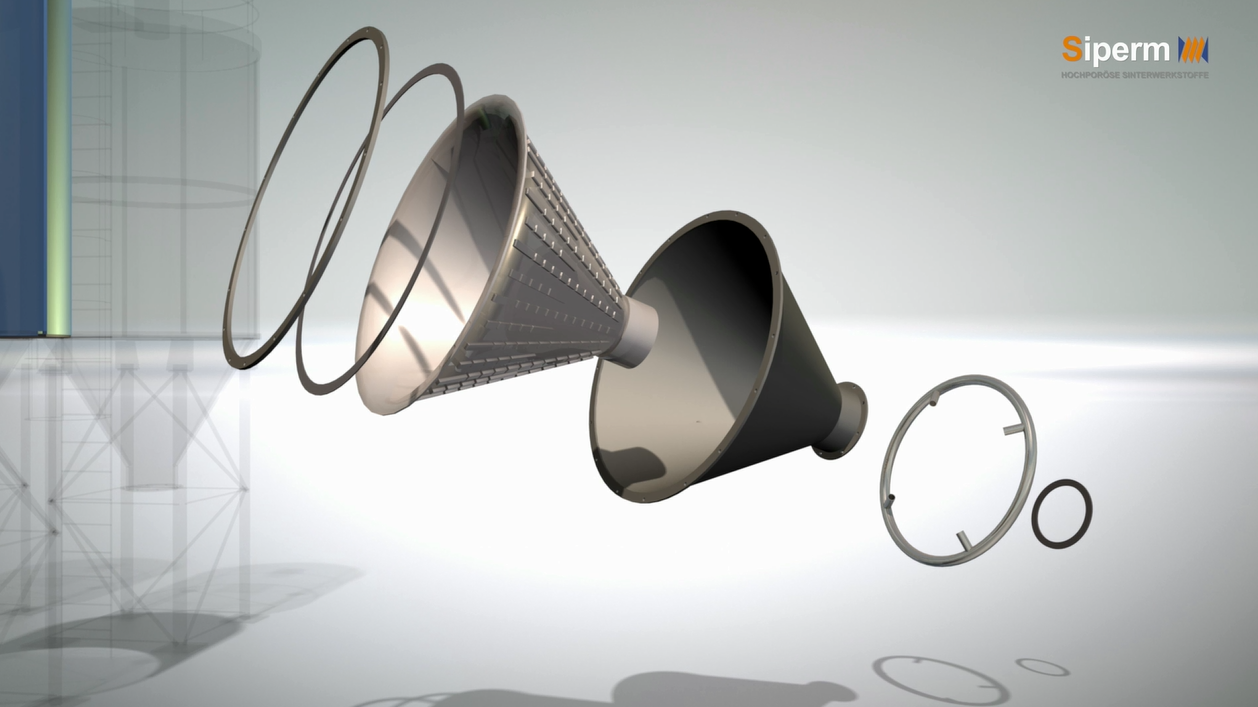
Another design advantage lies in the possibility of joining SIPERM® components together to form assemblies or combining them with solid components. For example, porous elements can be welded, joined or integrated into support structures without losing their functional properties. This enables application-specific solutions that fit perfectly into existing plants, equipment or systems and go beyond standard components.
Technical functions in industrial processes
Porous sintered materials take on clearly defined technical functions in industrial processes. They are not used as passive materials, but as active functional elements that specifically influence flows, distribute media or retain particles. SIPERM® materials are used wherever processes need to be stable, reproducible and controllable.
A central function is the filtration of gases and liquids. Due to the defined porosity, particles can be reliably separated while the medium flows evenly through the material. Compared to conventional filter media, porous sintered materials offer high mechanical stability and a consistent filter effect over a long service life. This is particularly important for continuously operated systems.
In gassing, degassing and fluidization applications, porous components ensure an even distribution of gases over large areas. This allows bulk materials to be loosened up, media to be homogenized or discharge problems in containers and silos to be reduced. The controlled flow helps to minimize process fluctuations and make efficient use of energy.
Other areas of application include mechanical sound absorption and the protection of sensitive sensors. The branched pore structure reduces flow noise and at the same time protects measuring systems from contamination or mechanical stress. Thanks to these versatile functions, SIPERM® sintered materials can be integrated into a wide range of industrial processes.
Reproducibility, quality and series production capability
The use of porous sintered materials in industrial applications requires that their properties are reproducible and stable over the long term. SIPERM® materials are therefore designed and manufactured in such a way that porosity, flow behavior and mechanical properties are within defined tolerances. This is particularly relevant for processes where consistent results are required over long running times or large quantities.
One key aspect is the controlled production of the porous structure. Thanks to coordinated production parameters, materials with consistent properties can be produced, regardless of whether they are individual components, small batches or series production. This reproducibility forms the basis for reliable use in filtration, gassing or fluidization processes as well as in safety-relevant applications.
Quality assurance is carried out throughout the entire production process. Material and component properties are tested to ensure that defined requirements for flow, pore structure and strength are met. Standardized test procedures enable an objective evaluation of functional properties and create transparency for development, design and purchasing.
Thanks to the combination of reproducible production, defined testing and reliable manufacturing processes, SIPERM® sintered materials are suitable for both technically demanding individual applications and solutions suitable for series production. This facilitates the transfer of development projects to series production and supports long-term stable process control for the user.
Design and use of porous sintered materials
How is the right porosity determined for an application?
The selection of the appropriate porosity is function-related and is based on the medium, the desired volume flow, the permissible pressure loss and the required separation or distribution effect. In the case of porous sintered materials, the pore structure is defined on the material side and formed uniformly over the entire component. This results in reproducible flow properties that do not depend on individual openings or channels. The component geometry nevertheless remains an important design parameter, as it influences the flow path, the load and the integration into the application. The porosity is therefore always determined in conjunction with the material, geometry and operating conditions.
Which boundary conditions are decisive for the choice of material?
The choice of material for porous sintered materials depends on the specific operating conditions of the application. In particular, the medium, the operating temperature, the applied pressure and possible chemical or mechanical loads are decisive. Cleaning, service life and process stability requirements also play an important role. Metallic SIPERM® materials are often used for higher temperatures or mechanical stresses, while polymer materials offer advantages for corrosive media or lower operating temperatures. The selection is always function-related in order to realize a permanently stable and economical solution.
How mechanically resilient are porous sintered materials?
The mechanical strength of porous sintered materials depends on several factors, including the material, porosity, component geometry and type of load. As a general rule, the mechanical strength decreases with increasing porosity, while the permeability increases. For this reason, the porosity is always selected so that it meets the functional requirements without unnecessarily reducing the mechanical stability.
Metallic SIPERM® sintered materials made of stainless steel or bronze offer high compressive and dimensional stability and are suitable for applications with static or dynamic loads. Porous plastic materials made of polyethylene have lower strengths, but offer advantages in terms of impact strength, weight and chemical resistance. In practice, the mechanical design is always application-specific and supported by suitable component geometries and installation situations.
When are customized geometries useful?
Customized geometries are always used when standard components do not fully cover the functional or design requirements of an application. This is often the case with limited installation space, special installation situations or when several functions are to be combined in one component. Porous sintered materials offer the advantage that function and form can be designed independently of each other.
Adapted geometries can be used to specifically optimize flow guidance, installation and mechanical support. Customized solutions are useful for both individual applications and series projects, provided they contribute to improved function, greater process stability or a more economical overall solution.
 Menu
Menu